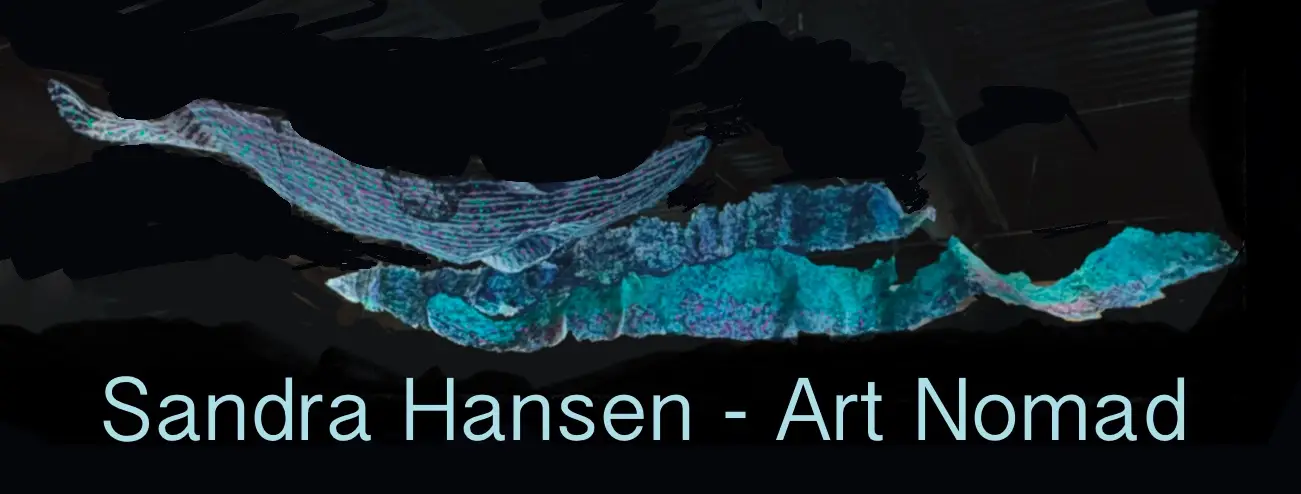
Via Dolorosa
Inspired by the Stations of the Cross, Via Dolorosa uses layered plastics and raw textures to explore suffering, endurance, and quiet redemption. The industrial nature of single-use plastic creates a striking dialogue between modern consumption and timeless spiritual reflection, turning discarded materials into a space for memory, resilience, and emotional depth.
Sandra Hansen
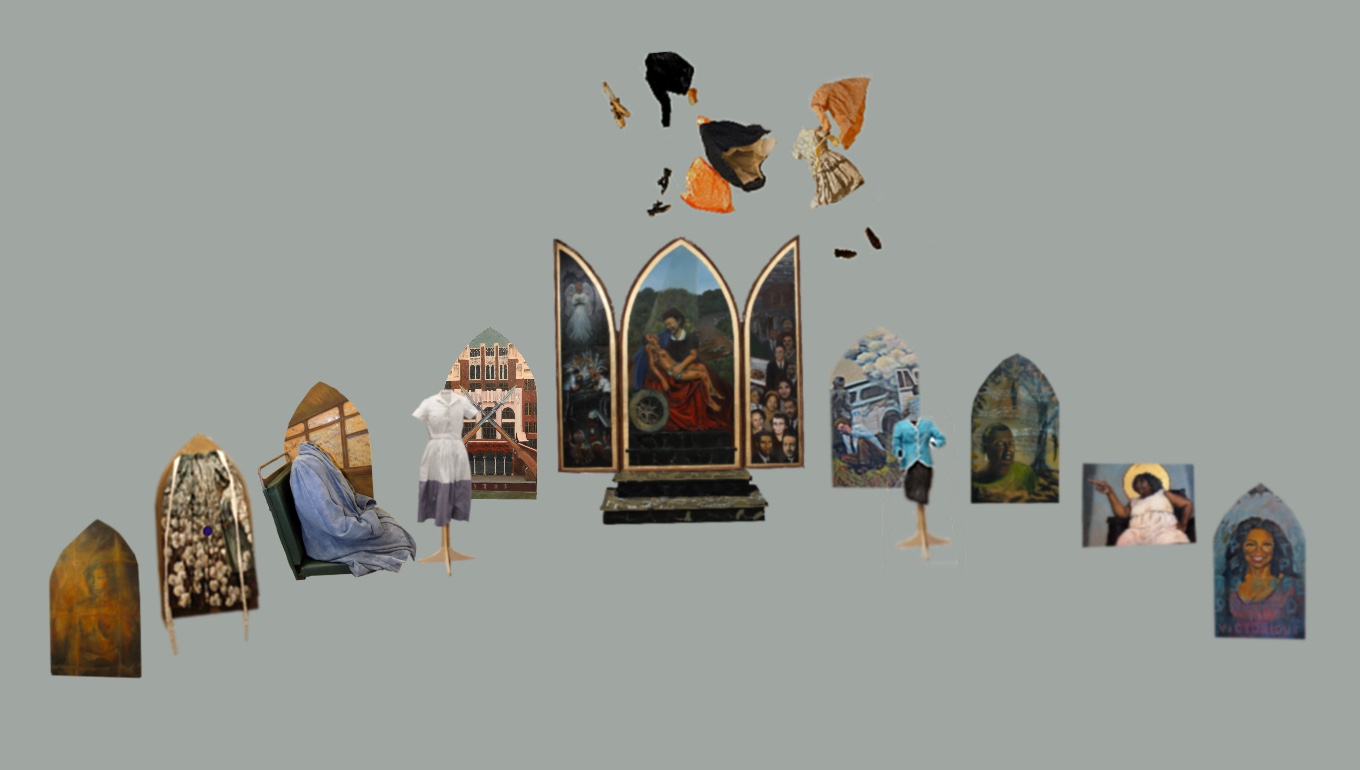
“The Via Dolorosa: Women of the Civil Rights Movement” draws on the tradition of the Stations of the Cross, where viewers move from scene to scene, remembering a story of suffering transformed into hope. Using stained‑glass window forms, this installation traces a sacred journey through the lives of women in the Civil Rights Movement. Each station becomes a modern shrine — a place to pause, to grieve, and to honor the courage that carried a people forward.
Across these works, I invite viewers into a deeper understanding of the human cost and human power at the heart of the Civil Rights Movement — and the women whose courage reshaped the nation’s moral landscape.
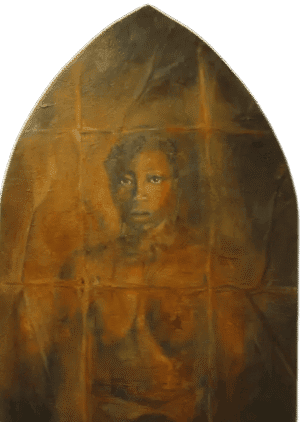
"The Shroud of Turin" does not flinch—it forces the viewer to bear witness to the violent dehumanization of enslaved women, their terror and humiliation rendered not as distant history but as an open wound, a shroud that still clings to the American conscience, demanding that what was endured be named, reckoned with, and ultimately undone. 48 x 36 x 4.
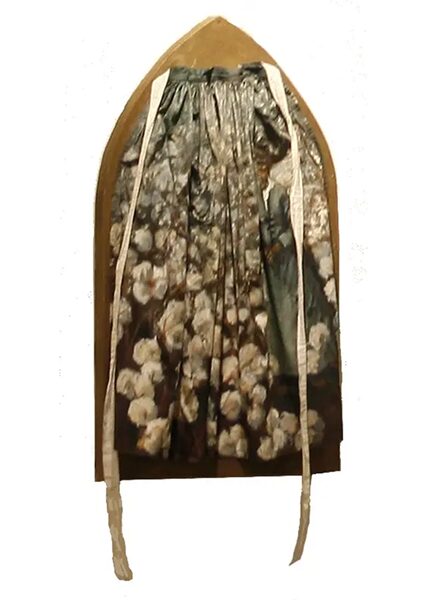
“The Harriet Tubman Apron” honors Tubman’s unyielding courage in freeing enslaved people. 36 x 48 x 5.
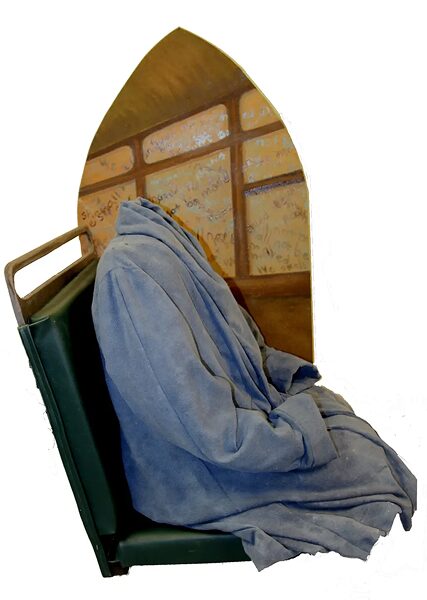
Rosa Parks’s quiet refusal to give up her seat ignited the Montgomery Bus Boycott, launching a mass movement that transformed segregation into a national fight for justice. 36 x 48 x 36.
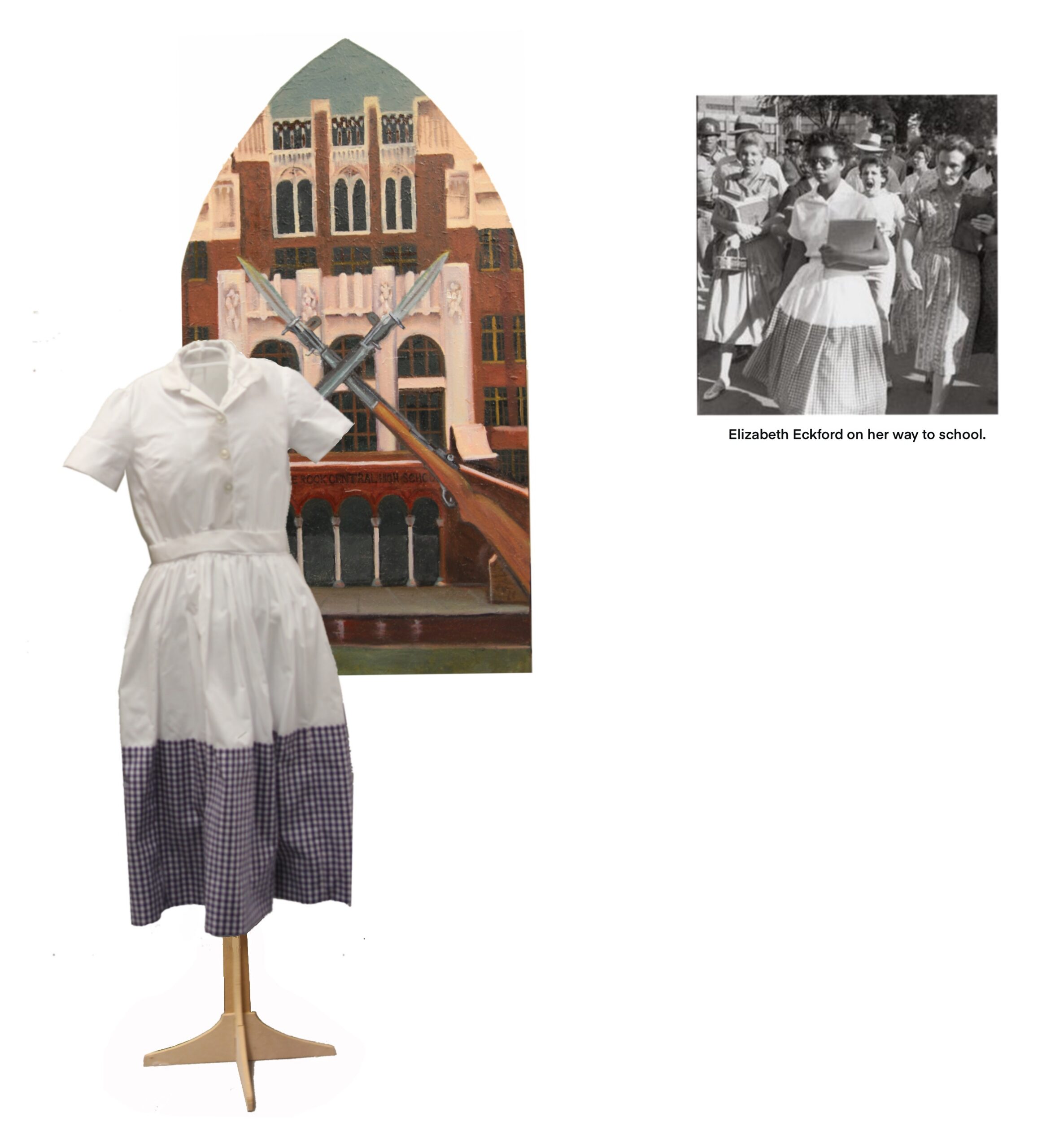
Elizabeth Eckford’s dress stands before the façade of Little Rock Central High School, recalling her solitary walk through a hostile crowd and the steely resolve that cracked open the nation’s grip on segregation. ~5 x 3 x 4 ft.
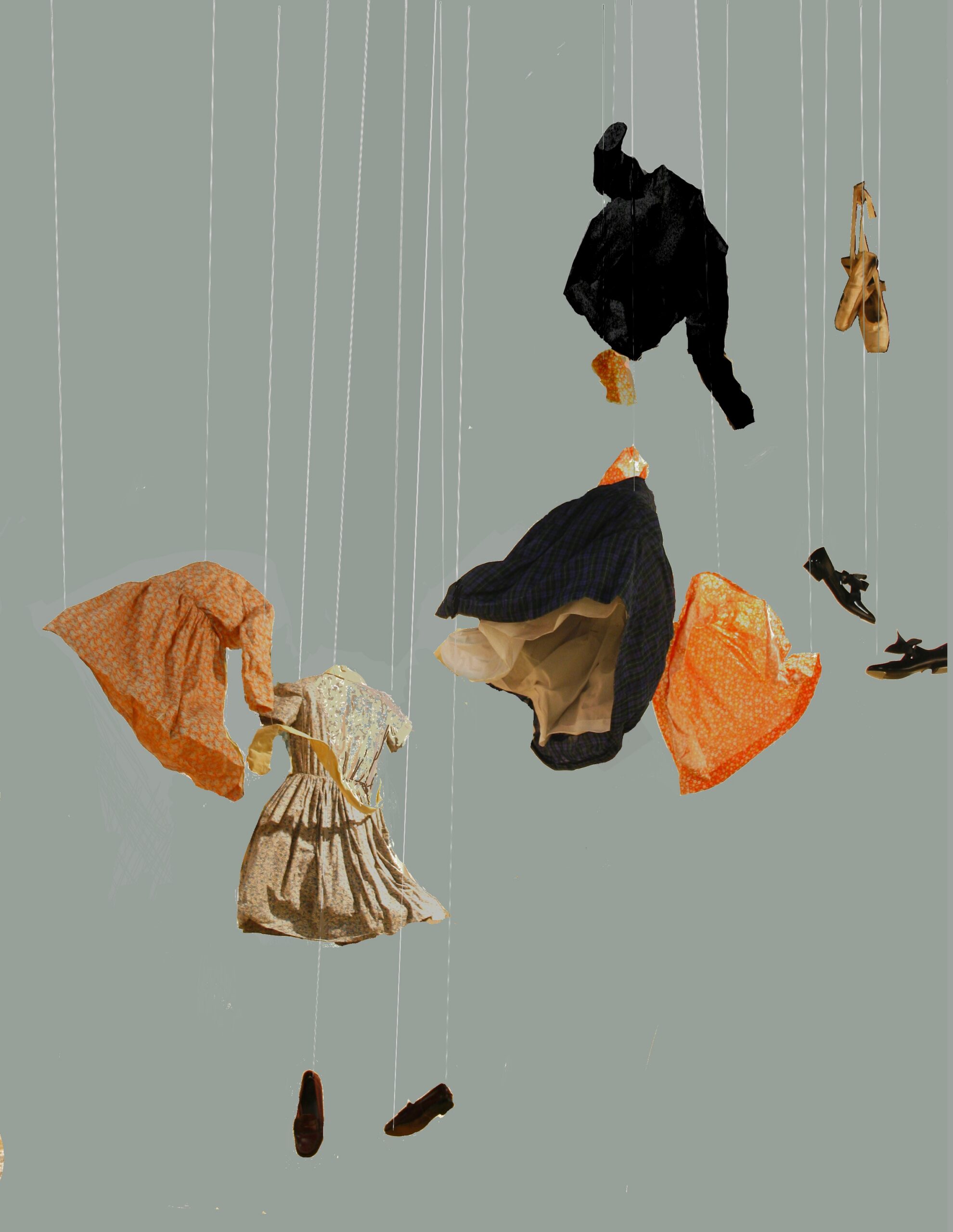
16th St Church Bombing-A mobile of four girls' clothing floating midair recreates the violent suspension of that September morning—garments torn from bodies in the 16th Street Baptist Church blast, still caught in the shockwave's chaos. Yet the bombing did not silence Birmingham; instead, it galvanized a national uprising that helped pass the Civil Rights Act of 1964, as Black organizers and outraged white allies rose from that rubble to demand what had been denied for centuries, refusing to let those empty dresses be the last word.
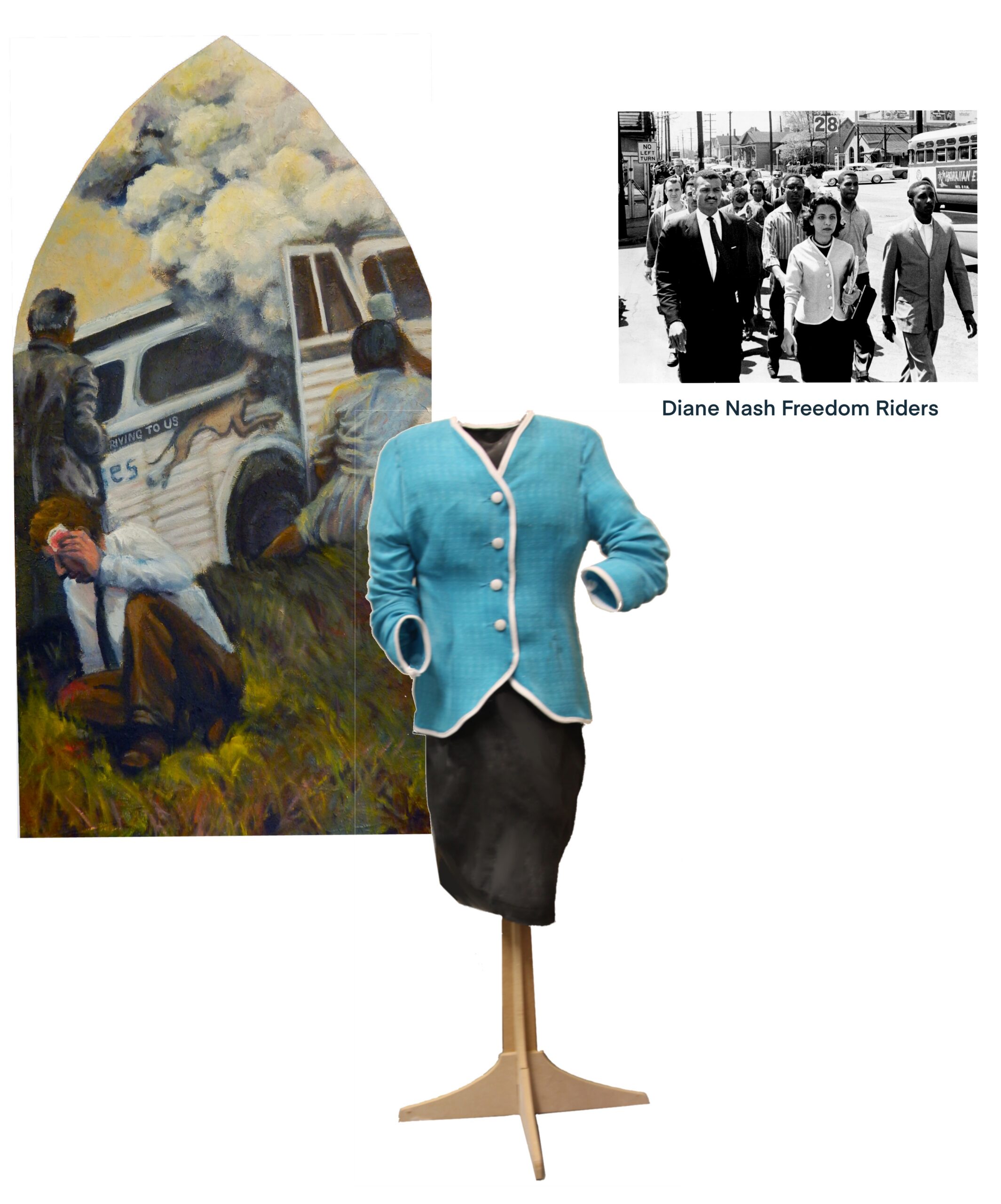
Diane Nash-Freedom Riders- My artwork honors Diane Nash’s unwavering resolve by placing her reconstructed suit beside the burning bus—transforming a moment of violent suppression into a testament to the strategic, nonviolent courage that kept the Freedom Rides moving forward and helped desegregate interstate travel.~5 x 3 x 4 ft.
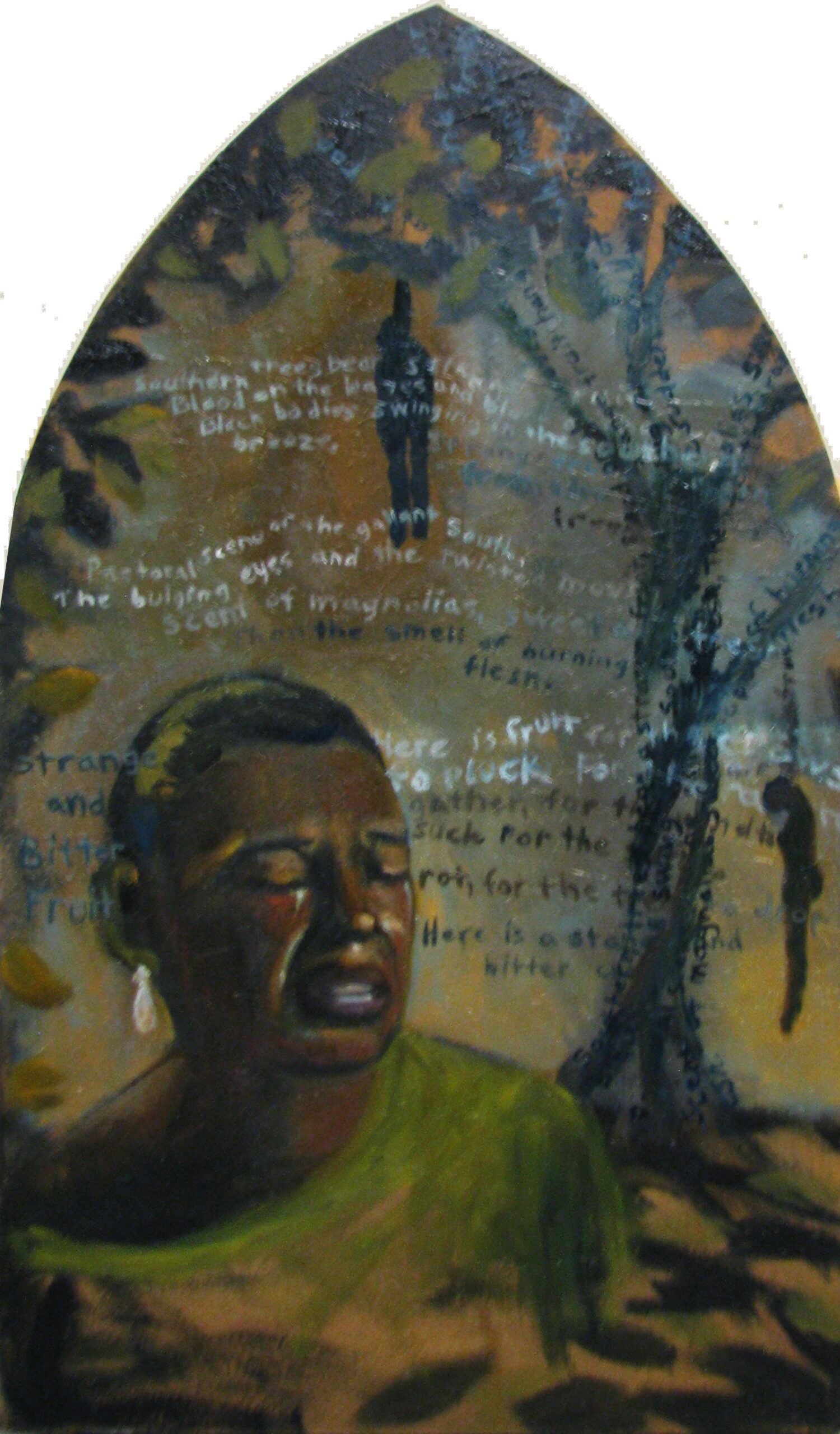
Billie-Billie Holiday's "Strange Fruit" forced America to face the horror of lynching in song, becoming the first major musical protest of its kind and galvanizing public conscience ahead of the civil rights movement.-36 x 48 x 4 in.
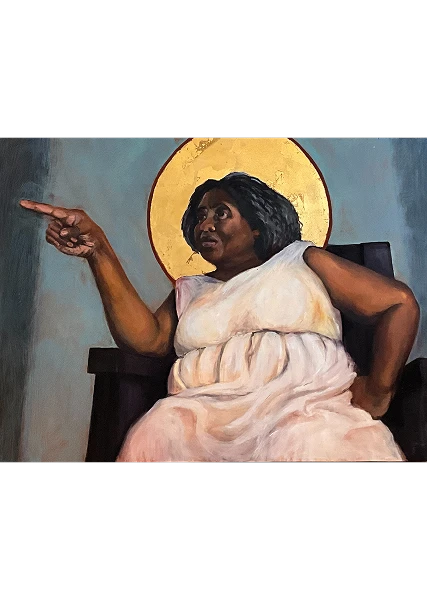
Fanny Lou Hamer-Fannie Lou Hamer's portrait captures her relentless fight for voting rights—a struggle that helped register tens of thousands of Black voters, challenged the all-white Mississippi Democratic Party at the 1964 National Convention, and paved the way for the Voting Rights Act of 1965. 36 x 48 x 2 inches. Sold.
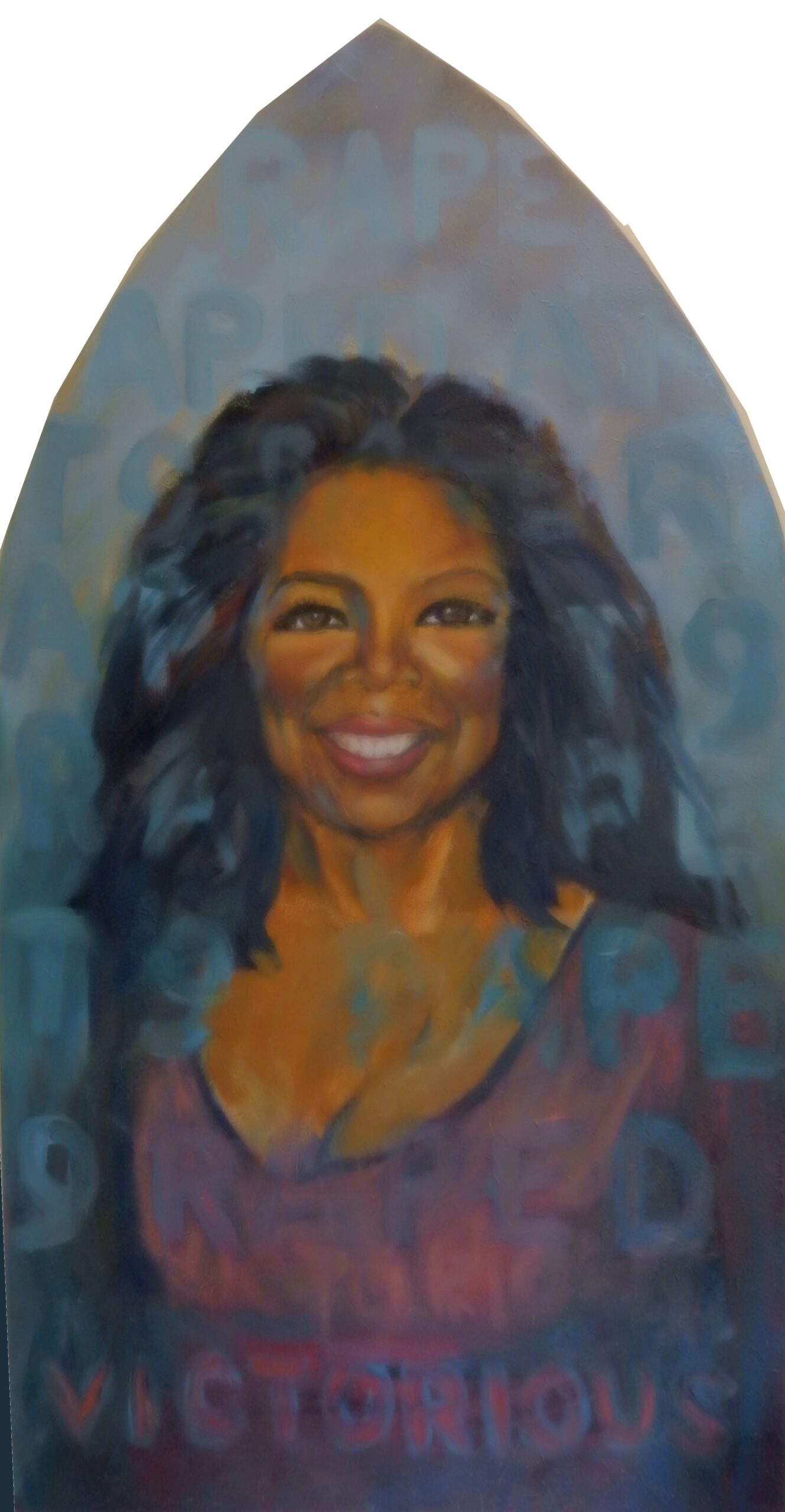
Oprah Winfrey stands as the generational bridge between the inhumanity of slavery shown in the first painting and her own empire—where they were cut down before they could dream, she rose to build what they never got to touch, transforming the inheritance of enslavement into self‑determination, leadership, and global influence, as if their stolen futures found their way into her hands. She is the answer to that shroud—the proof that what was meant to bury us became the ground from which we rise. 48 x 36 x 4 inches.
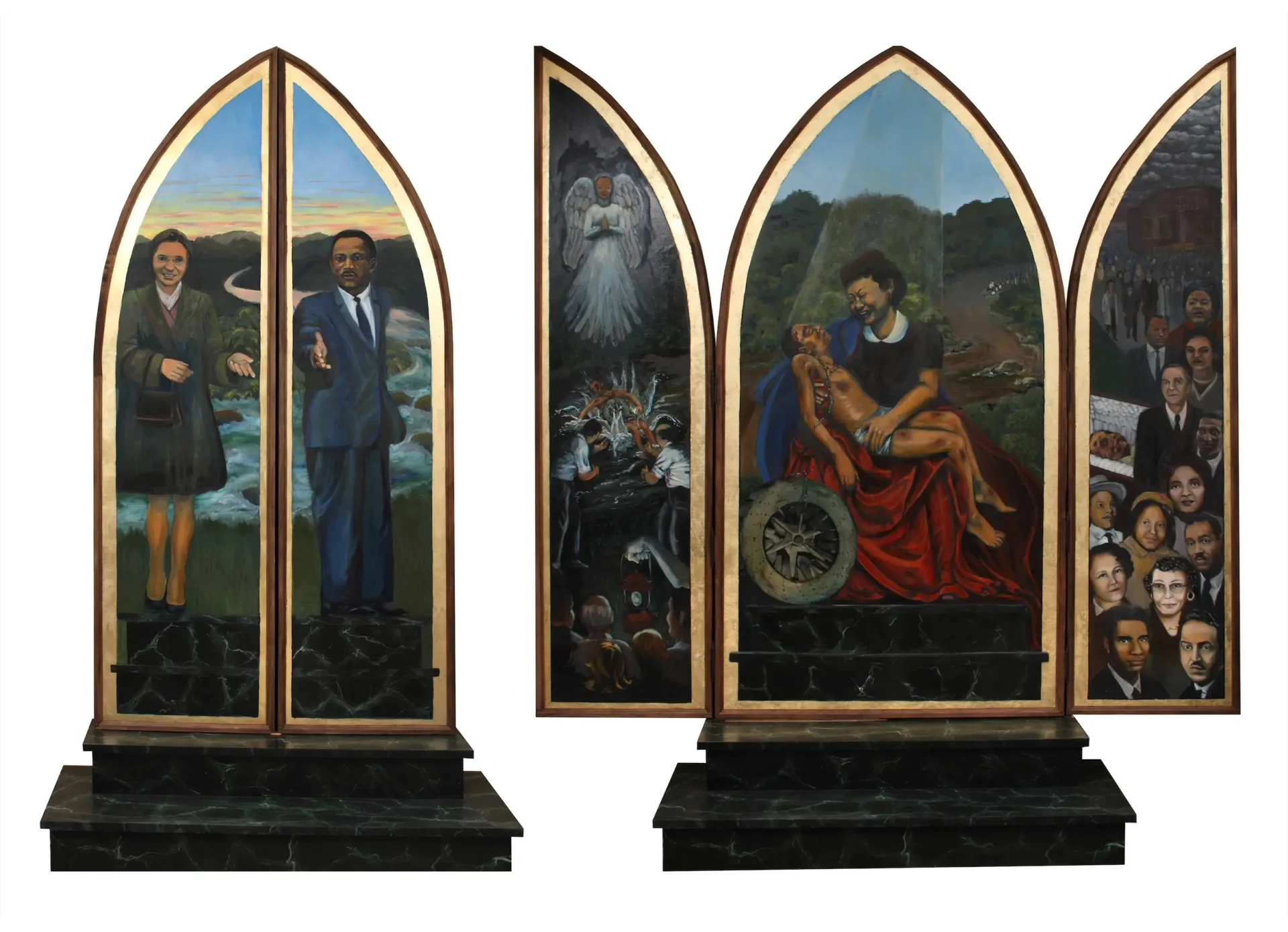
At the heart of the installation stands the Emmett Till Memorial Triptych—a monumental altarpiece forged in the sacred grammar of crucifixion, mourning, and resurrection—where the central Pietà is not Michelangelo's serene Virgin cradling a flawless Christ, but Mamie Till Bradley gripping her son's brutalized body, her defiant choice to pry open that casket and force the world to look becoming the resurrection itself; the flanking panels trace not only the savagery of his murder but the swelling tide of ordinary people who, galvanized by her courage, rose from that river of grief to flood the streets, courtrooms, and capitols of a nation—until a mother's anguished witness launched a movement that would not rest until justice could no longer look away. 9.5 x 8 x 4 feet.